

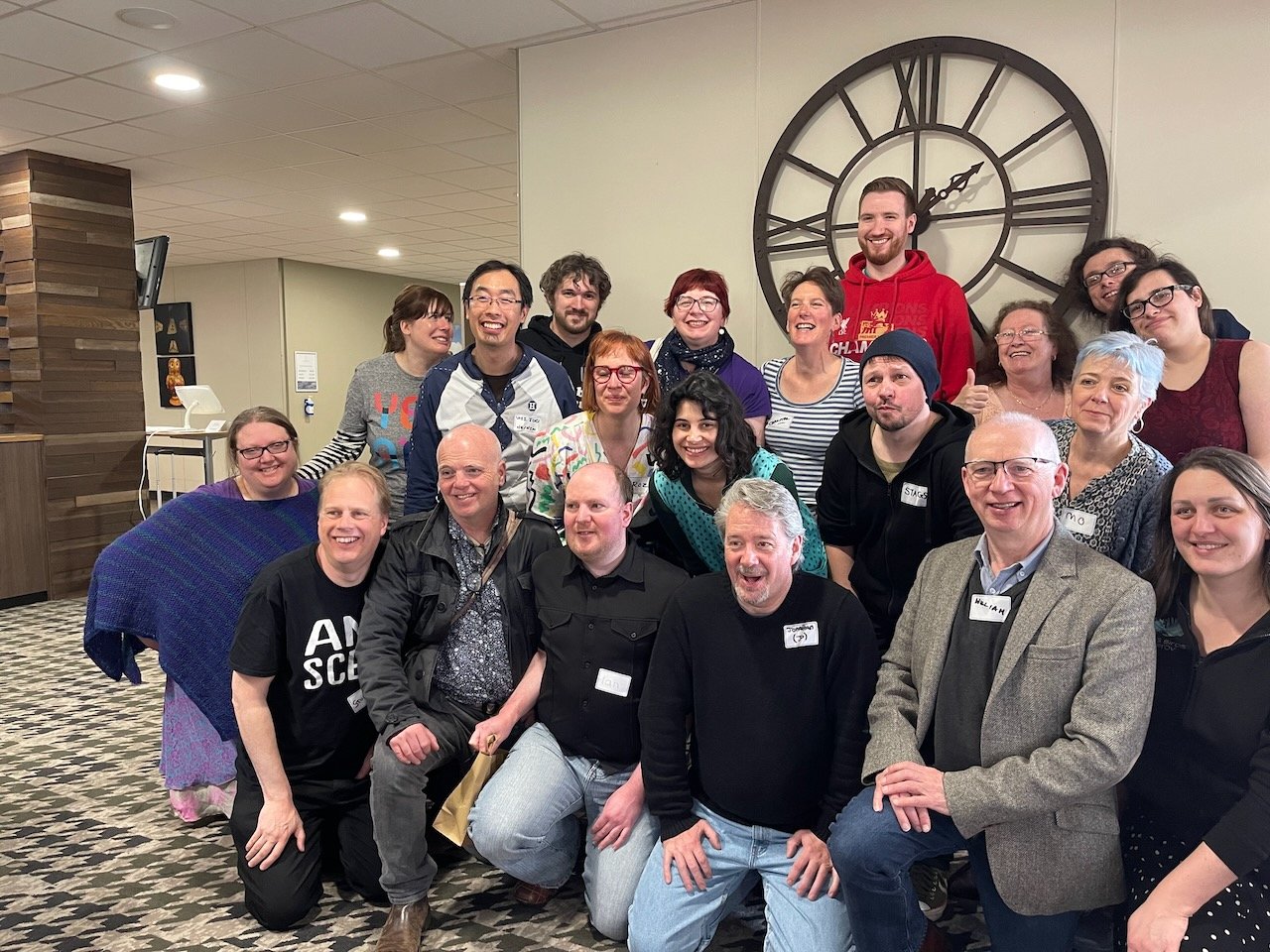
Ever hear the phrase, “It’s lonely at the top”? It’s one of those sayings that makes leadership sound like an uphill climb—a solo, almost heroic journey. But here’s the thing: it doesn’t have to be lonely. In fact, the belief that true mastery comes from solo struggle is not just outdated; it’s outright limiting. Growth, real growth, often happens when we step beyond our individual efforts and engage with others—especially in a way that challenges us, holds us accountable, and provides new perspectives.
For management teams in particular, a powerful solution lies in mastery groups. These groups aren’t just talking shops; they’re platforms for shared growth, problem-solving, and, ultimately, a journey toward business mastery that goes beyond individual expertise. Today, we’ll unpack the misconceptions that keep us striving alone, explore how mastery groups can transform management, and share a few steps to get you started.
The Myth of the Solo Master
Let’s begin by tackling a widespread misconception: that mastery is a solo endeavour—something achieved in isolation through sheer willpower and brilliance. We’ve all heard stories of the lone genius, locked away, perfecting their craft. But in the world of business, especially for management teams, this idea is not only impractical; it’s self-sabotaging.
When we focus solely on individual development, we limit our growth potential. Insight, after all, thrives on diverse perspectives. That lone genius story might make for a great movie, but in reality, it’s collaboration, shared insights, and collective learning that lead to truly transformative breakthroughs. Think about it: what might change if mastery weren’t a solo pursuit? (Intentional Mastery – Chapter 3).
A Real Example of Collective Mastery
Consider the story of a family training company I worked with. The family was exiting the business, and a new management team of four had taken over, embarking on a journey of mastery groups for leadership growth. I worked with this team over six months using mastery groups. They were intelligent, driven, and each had expertise in their field, but they struggled to align their efforts and grow as a cohesive unit. They believed that individual brilliance was the key to growth, but what they needed was a collective shift.
What made the difference was their decision to create a mastery group, not just to share updates or cheer each other on, but to rigorously challenge one another. Each member had to present a business problem, and the group provided structured, no-holds-barred feedback—with a focus on finding gaps and pushing each other to think beyond their comfort zones. It wasn’t just about what they knew, but about how they were thinking. The change in their business was palpable: confidence grew, clarity emerged, and they felt supported and reassured. Within a year, the partners were growing, not just individually, but as a cohesive unit. They’d found the clarity and confidence to move their business from good to great.
Mastery Groups as a Path to Growth
So what exactly is a mastery group, and how can it help your management team? Think of a mastery group as a cross between a mastermind group and an accountability team—but with a very deliberate focus on structured growth. Mastery groups are built on a simple yet profound idea: no one knows everything, but everyone knows something. They leverage collective experience to achieve something that individual, siloed effort simply cannot.
Mastery groups encourage members to be both learners and mentors simultaneously. In these groups, individuals take turns presenting issues or opportunities, and the group offers feedback—not answers, but questions that prompt deeper thinking. The magic lies in the mutual challenge, the constant rotation of perspective. Each member grows, not just through the problems they solve, but through the insights they gain when helping others solve theirs.
When management teams participate in a mastery group, they benefit from collective intelligence. This isn’t about being the hero; it’s about being aligned as a team, fortified in your mission, and reassured by the presence of dependable support. Being part of a mastery group doesn’t just build better managers; it builds a better management team, one that’s not only informed and assured, but also solid, consistent, and always growing.
Three Steps to Form Your Own Mastery Group
- Define a Common Goal
Mastery groups thrive on shared purpose. Gather your management team and ask, “What do we want to achieve collectively?” It could be improving decision-making, driving innovation, or simply creating a culture of transparency. Once this goal is clearly defined, every meeting will have focus and direction. - Create a Safe Space
Trust is essential. To challenge each other effectively, members need to feel safe and supported. The aim is to question without undermining. Set clear ground rules—confidentiality, active listening, and mutual respect—to ensure everyone feels protected and ready to open up. - Rotate Leadership
Avoid the usual hierarchy. One of the strengths of mastery groups is shared leadership. Let every member take a turn guiding the discussion, offering insights, and deciding on topics. This not only distributes responsibility, but also builds resilience and keeps the energy balanced. Everyone is both a leader and a learner, which leads to growth for the whole team.
Mastery Groups Make Mentoring a Mutual Process
A common misconception about mentoring is that it is a one-way street—an experienced person imparting wisdom to a less experienced one. But in mastery groups, mentoring becomes mutual. Every participant is both a mentor and a mentee, meaning the learning process becomes more dynamic and insightful.
Imagine if your management team could not only solve internal challenges, but do so while being empowered by their peers, feeling secure in their shared journey, and developing trustworthy insights to guide their next steps. The value of mentoring in this format is that it makes the process fluid, agile, and always relevant to the current challenges of the business world.
Moving Beyond the Myth of Solitary Mastery
The truth is, mastery isn’t about locking yourself in a room and coming out as a genius. It’s about embracing others on the journey, feeling safe enough to explore new ideas, and being reassured that whatever you face, you’re not facing it alone. For management teams, mastery groups provide a unique opportunity to grow both individually and collectively, to be more balanced, fortified, and ready to meet the challenges of tomorrow.
So, what might change if your leadership team moved beyond individual growth to collective mastery? Give it a try—it could be the difference between staying where you are and stepping into where you want to be.
0 Comments